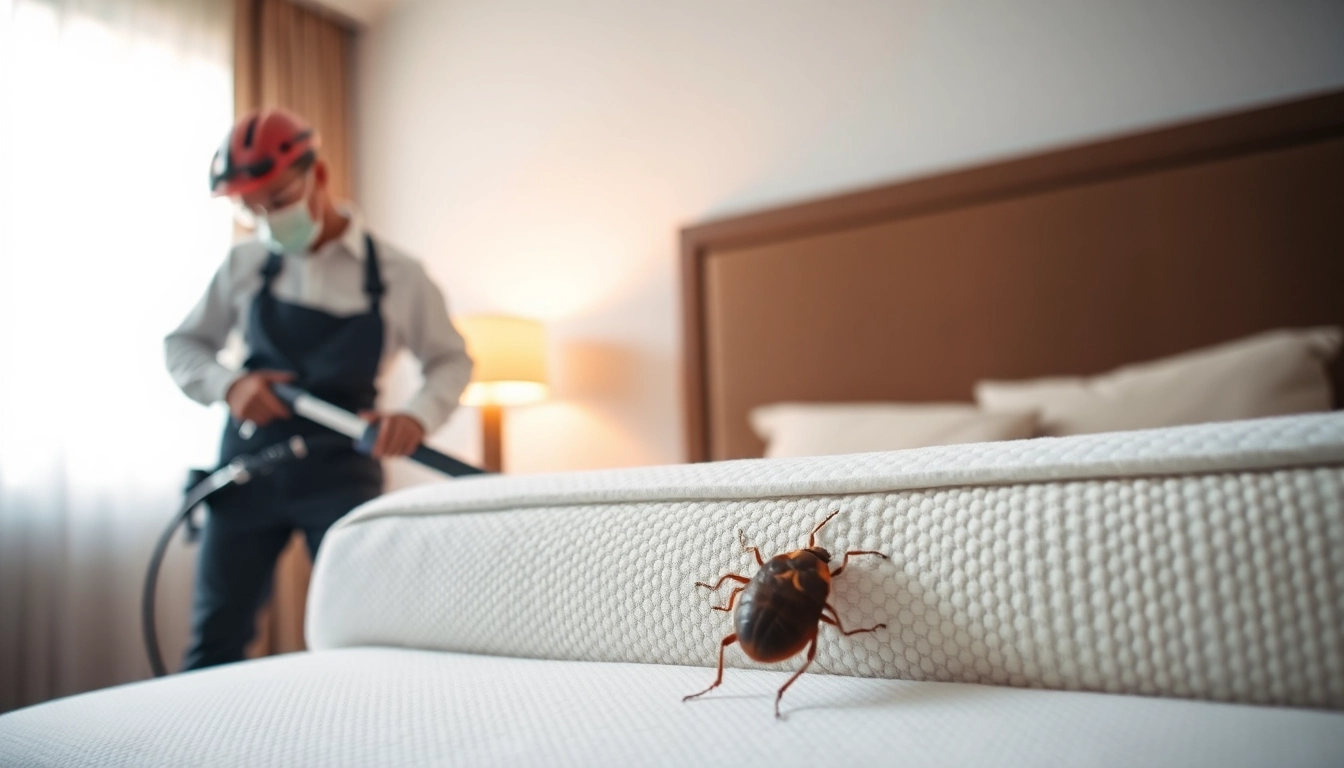
Understanding Bed Bug Infestations
Bed bugs are a pervasive problem that can disrupt your home and peace of mind. These tiny, elusive pests thrive in our beds and luggage, making eradication a significant challenge for homeowners. This comprehensive guide on bed bug pest control will inform you about their biology, how to identify an infestation, and the health risks they pose. Understanding these aspects is essential to successfully combating them.
What Are Bed Bugs?
Bed bugs, scientifically known as Cimex lectularius, are small, flat, reddish-brown insects that feed on the blood of humans and animals. Adult bed bugs are approximately 1/4 to 3/8 inches long, have elongated bodies, and can be seen with the naked eye. One of their most distinctive characteristics is their ability to hide in micro-cracks during the day, emerging at night to feed.
Signs of Infestation
Identifying a bed bug infestation early is crucial. Here are some definitive signs you should look for:
- Bitten Skin: You might notice small red bites, often in a line or cluster.
- Bed Bug Exoskeletons: As they grow, bed bugs shed their skins, which can be found in their hiding spots.
- Black Spots: These are fecal matter markings seen on linens or mattresses.
- Musty Odor: A sweet, musty smell indicates a significant bed bug population.
- Visible Bugs: Spotting live bugs in or around the bed is a clear sign of an infestation.
Health Risks Associated with Bed Bugs
While bed bugs are not known to transmit diseases, their bites can lead to severe allergic reactions and secondary infections due to scratching. Sleep disturbances caused by anxiety over bed bugs can also adversely affect overall health. Understanding the health risks reminds us to act quickly and decisively when dealing with bed bugs.
Bed Bug Pest Control Methods
The control of bed bugs requires a multifaceted approach. Strategies can be broadly categorized into chemical and non-chemical methods, as well as integrated pest management strategies that employ both.
Chemical Control Options
Chemical pesticides can be effective in controlling bed bug populations. Such options include:
- Pyrethroids: These are widely used as they are effective at killing bed bugs upon contact, but some bed bug strains may develop resistance.
- Insect Growth Regulators (IGRs): Instead of killing bed bugs, IGRs prevent them from maturing into breeding adults, thereby controlling their population growth.
- Heat Treatment: While technically not a chemical method, using high heat can eliminate bed bugs effectively, as they cannot withstand temperatures above 120°F.
Non-Chemical Removal Techniques
Non-chemical methods can provide effective bed bug pest control, minimizing chemical exposure. Common techniques include:
- Vacuuming: Thorough vacuuming can remove bugs and eggs from surfaces. Ensure you dispose of the vacuum bag immediately to prevent re-infestation.
- Steam Cleaning: Utilizing a steamer can kill bed bugs effectively as the heat reaches above 120°F.
- Use of Mattress Encasements: Encasements provide a barrier and prevent bed bugs from entering or escaping the mattress.
Integrated Pest Management Strategies
Integrated Pest Management (IPM) is a holistic approach to pest control that combines various tactics. Rather than relying entirely on chemicals, IPM encourages:
- Regular Inspections: Frequent inspections help catch infestations early.
- Sanitation: Keeping living spaces clean and free of clutter makes it hard for bed bugs to hide.
- Monitoring: Using interceptors under bed legs can help in monitoring bed bug activity over time.
DIY Bed Bug Pest Control
For those who prefer a hands-on approach, various do-it-yourself strategies can be effective. However, the success of DIY methods can vary greatly based on factors such as the extent of the infestation.
Preparation Before Treatment
Proper preparation is vital for effective DIY treatment. Here are key steps to follow:
- Clear the Area: Remove bedding, clothing, and other items from the affected area to make treatments easier.
- Seal Cracks and Crevices: Use caulk to seal up potential hiding places for bed bugs.
- Identify Infested Areas: Knowing where bed bugs are primarily located will help focus your efforts.
Tools and Materials Needed
Gathering the right tools will ensure your DIY efforts are effective:
- Vacuum Cleaner: A strong vacuum is essential for removing bed bugs and their debris.
- Steam Cleaner: A handheld steamer is crucial for treating infested areas.
- Specialized Bed Bug Pesticide: Choose a product labeled for bed bugs, following the manufacturer's instructions.
Step-by-Step Guide to DIY Treatment
Once you have prepared and gathered your tools, you can follow these steps:
- Vacuum the infested area thoroughly, including mattresses, box springs, and surrounding areas.
- Dispose of the vacuum contents in a sealed bag outside.
- Use a steam cleaner to treat seams and folds of furniture and fabrics.
- Apply the bed bug pesticide according to the instructions, ensuring even coverage.
- After treatment, monitor the area over several weeks to ensure there are no remaining signs of infestation.
Choosing Professional Bed Bug Pest Control Services
When DIY methods fail, or the infestation is severe, it might be time to consider professional services. Professional pest control provides expertise and resources that can ensure effective eradication.
What to Look for in a Pest Control Provider
Choosing the right pest control provider requires vigilance. Look for the following qualities:
- Experience and Reputation: A company with proven experience in bed bug control should be prioritized.
- Licensing and Certifications: Ensure the provider is licensed and follows local regulations.
- Integrated Approach: Opt for a provider that utilizes an integrated pest management strategy.
Cost Considerations of Professional Services
Understanding potential costs can help you budget realistically for bed bug pest control services. Pricing can vary based on:
- The extent of the infestation
- The size of the property
- The methods utilized by the exterminator
Typically, costs can range from several hundred to a few thousand dollars depending on these factors.
Expected Treatment Timeline and Follow-Up
The timeline for bed bug treatments varies widely. Here’s a general outline of what to expect:
- Initial Inspection: A thorough inspection usually takes 1-2 hours.
- Treatment Application: Application of treatments can last a few hours depending on the size of the home.
- Follow-Up Treatments: Additional treatments may be scheduled within 1-3 weeks.
- Monitoring: Continuous monitoring will be recommended for several weeks to ensure efficacy.
Preventing Future Bed Bug Infestations
Aside from treatment, being proactive in preventing future infestations is crucial to maintaining a bed bug-free environment.
Best Practices for Homeowners
Adopting preventive measures can significantly reduce the risk of future infestations. Consider these tips:
- Regular Cleaning: Vacuum carpets, upholstery, and other areas where bed bugs may hide.
- Use Mattress Encasements: These can help protect against infestations and make detection easier.
- Inspect Used Furniture: Always inspect secondhand items for signs of bed bugs before bringing them home.
Seasonal Considerations
Bed bugs are more active during warmer months. Adding extra precautions, such as increased inspections or extra care when traveling can help mitigate risks during these times.
Ongoing Monitoring and Maintenance
Regularly inspect your home for signs of bed bugs, particularly in bedrooms and areas where pets sleep. Using interceptors under bed legs can aid in monitoring bed bug activity.
FAQs
Can you get rid of bed bugs with pest control?
Yes, professional pest control is an effective method to eliminate bed bugs. Multiple treatment phases might be necessary for complete eradication.
What 100% kills bed bugs?
Synthetic and natural insecticides specially formulated for bed bugs can effectively kill them at all life stages, provided they are used correctly.
How much does it cost to remove bed bugs?
The cost to remove bed bugs can range significantly—from hundreds to thousands of dollars—based on the severity of the infestation and the size of the area affected.
How can I prevent bed bugs from returning?
Regular cleaning, using protective mattress covers, and being cautious when traveling can significantly reduce the chances of bed bugs returning.
What are some home remedies for bed bugs?
Home remedies, such as applying diatomaceous earth, may offer limited effectiveness. They should only be used as supplementary measures to professional treatment.