Understanding Pool Enclosure Options
When it comes to enhancing your outdoor space, a Pool Enclosure presents a versatile solution. Not only does it provide protection for your pool against dirt and debris, but it also creates a safe and enjoyable environment for recreational activities. By understanding the various types available, their benefits, and material options, you can make an informed decision about which enclosure best meets your needs.
Types of Pool Enclosures
Pool enclosures come in various types, each catering to different requirements and preferences. The main categories include:
- Screen Enclosures: Ideal for regions with a high level of insects or debris, these enclosures provide a barrier while allowing sunlight and airflow.
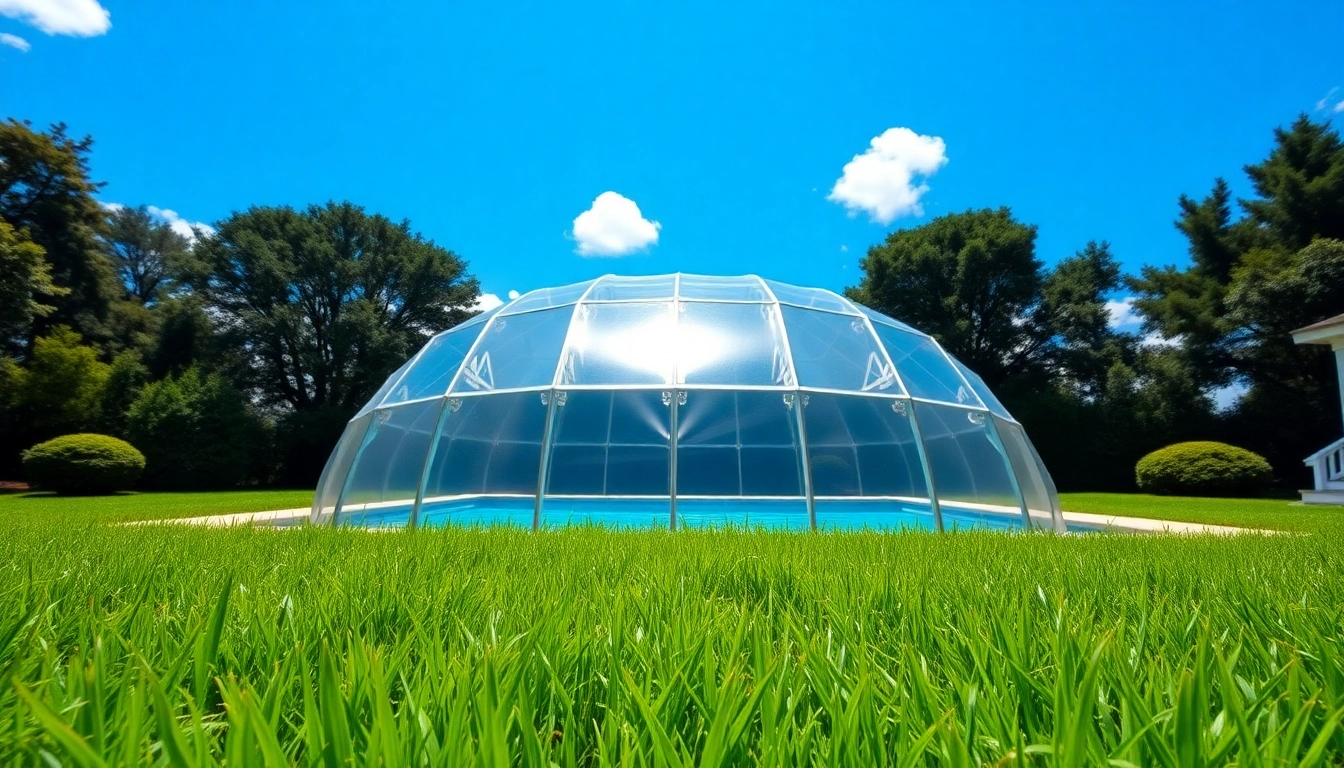
- Glass Enclosures: Offering a sleek and modern aesthetic, glass enclosures create an almost invisible barrier that enhances the outdoor view while providing protection against the elements.
- Retractable Enclosures: These versatile structures can be opened or closed depending on the weather, maximizing usability while maintaining comfort and protection.
- Inflatable Enclosures: Often used for budget-friendly solutions, inflatable pool enclosures are easy to set up and take down, making them suitable for temporary installations.
- Solid Roof Enclosures: Best for harsh climates, solid roof enclosures provide excellent insulation and protection against rain, snow, and wind.
Benefits of Enclosing Your Pool
Investing in a pool enclosure comes with numerous advantages that enhance both the functionality and enjoyment of your swimming area:
- Extended Swimming Season: By shielding your pool from harsh weather conditions, you can enjoy swimming year-round.
- Reduced Maintenance: Less debris accumulation means less time spent cleaning your pool.
- Enhanced Safety: Pool enclosures provide a barrier that prevents unauthorized access, improving safety, especially for children and pets.
- Energy Efficiency: These structures retain heat and minimize evaporation, making your pool more energy-efficient.
- Added Privacy: A pool enclosure can shield you from view, creating a private oasis in your backyard.
Material Options for Your Pool Enclosure
The material chosen for a pool enclosure significantly impacts its effectiveness, durability, and appearance. Common materials include:
- Aluminum: Lightweight and durable, aluminum is a popular choice for frames as it does not rust and requires minimal maintenance.
- Polycarbonate: This material is known for its transparency and impact resistance, making it ideal for glass-like enclosures.
- Vinyl: Vinyl is a cost-effective and low-maintenance option, often used for screen enclosures.
- Stainless Steel: Known for its strength and corrosion resistance, stainless steel is used for high-end enclosures and can be combined with other materials for design flexibility.
Design Considerations for Pool Enclosures
Design plays a critical role in the effectiveness and aesthetic appeal of a pool enclosure. Here are key considerations to keep in mind:
Choosing the Right Size
The dimensions of your enclosure should accommodate your pool size while providing ample space for movement. It's essential to consider how you plan to use the space and whether you intend to include lounge areas, landscaping, or other features.
Style and Aesthetic Integration
Choosing a design that complements your home’s architectural style not only enhances property value but also makes for a visually pleasing backyard environment. Options range from modern glass designs to classic wooden structures, allowing for a mix of aesthetics based on personal preference.
Accessibility and Functionality
Incorporate accessibility features such as wide doors, ramps, or step entries that will facilitate ease of use for all members of the family and guests. Consider the enclosure's layout to ensure that it flows well with the surrounding environment.
Installation of Pool Enclosures
The installation process can vary based on the type of enclosure you choose. Understanding the differences can help you prepare accordingly.
DIY vs. Professional Installation
While smaller enclosures may be feasible as DIY projects, larger or more complex designs often require professional assistance. Challenges in installation can arise, such as obtaining the correct measurements or ensuring the necessary structural integrity. Hiring a professional ensures a higher quality finish and compliance with local codes.
Permitting and Regulations
Before installation, check local zoning laws and building codes regarding pool enclosures. Many regions have specific requirements for enclosure height, materials, and safety features that must be adhered to, ensuring both legal compliance and safety.
Maintenance Tips for Longevity
To extend the lifespan of your pool enclosure, regular maintenance is essential. Clean surfaces to prevent dirt and debris accumulation, inspect screens for tears, and check for signs of corrosion or wear in metal components. Addressing minor issues promptly can help you avoid costly repairs down the road.
Cost Insights and Budgeting for Your Pool Enclosure
Understanding potential costs is crucial when considering a pool enclosure. You need to budget for materials, labor, and any additional features you may want.
Average Costs of Pool Enclosures
On average, pool enclosures cost between $5 to $15 per square foot; however, high-end materials such as glass can range from $15 to $65 per square foot. Costs will also depend on the type of enclosure and the complexity of the design.
Factors Affecting the Price
Several factors influence the overall price of your pool enclosure, including:
- The size and shape of your pool
- The type of material used
- Complexity of the installation
- Additional features such as heating or retractable options
Financing Options and Planning
If budget constraints are a concern, consider financing options available through contractors or specialized home improvement loans. It’s important to plan carefully and ensure you are aware of all associated costs, including maintenance and utilities.
FAQs about Pool Enclosures
What is a pool enclosure?
A pool enclosure is a structure designed to protect swimming pools from debris, animals, and harsh weather, enhancing usability and safety.
How do I choose a pool enclosure?
Consider the enclosure's size, materials, style, and local regulations to find the best fit for your outdoor space and lifestyle.
What are the benefits of a pool enclosure?
Benefits include reduced maintenance, extended swimming season, increased safety, and improved energy efficiency.
Can I install a pool enclosure myself?
Yes, many pool enclosures can be installed as DIY projects, but professional help is advisable for larger or more complex designs.
What is the average cost of a pool enclosure?
Costs typically range from $5 to $15 per square foot, but can vary significantly based on materials and size.