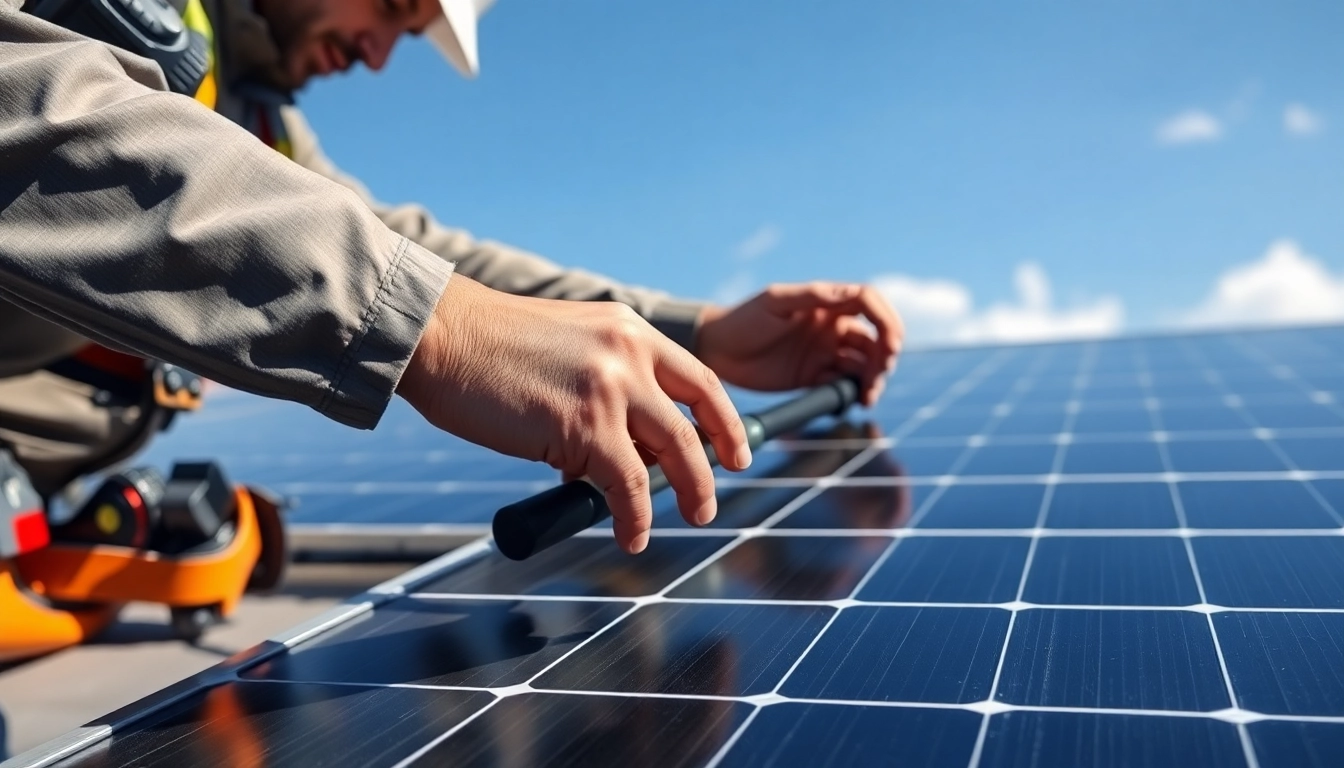
Understanding Solar System Repair
Solar energy is increasingly becoming a vital part of energy sustainability. However, like any electrical system, solar power systems can experience issues and may require solar system repair. Whether it's mechanical breakdowns, weather damage, or performance inefficiencies, understanding the problem and addressing it promptly can enhance the longevity and efficiency of your solar investment.
What is Solar System Repair?
Solar system repair involves addressing issues that arise with a solar power system to ensure it operates at its peak efficiency. This can include repairing physical damage to solar panels, fixing wiring or electrical faults, replacing inverters, and more. Timely repairs not only improve system performance but can also prevent expensive replacements down the line.
Common Issues Requiring Repair
Solar systems may encounter various issues requiring professional attention, including:
- Panel Damage: Physical damage due to hail, debris, or wear and tear can lead to reduced power output.
- Inverter Failure: The inverter converts solar energy to usable electricity; its malfunction can halt the energy conversion process.
- Wiring Problems: Damaged or corroded wiring may result in power losses or hazardous conditions.
- Performance Decline: Over time, dust, corrosion, or shading can reduce efficiency, necessitating service to restore power generation.
Signs Your System Needs Repair
Being vigilant about your solar system's performance is crucial. Watch for these signs that indicate repair is needed:
- Noticeable decrease in energy output compared to previous months.
- Visible cracks or physical damage on solar panels.
- Frequent inverter error codes or alerts.
- Unusual noises coming from the inverter or system components.
The Solar Repair Process
Initial System Assessment
The first step in the repair process is an initial assessment. A qualified technician will perform a thorough inspection of your solar system, looking for signs of damage or wear. This can include checking:
- Panel condition for cracks, chips, or debris.
- Inverter functionality through diagnostic tools.
- Wiring for any breaches or corrosion.
- Performance outputs against expected metrics for your system type.
Repair Options Available
Once the assessment is complete, the technician will present repair options based on the findings. Common repair options include:
- Panel Replacement: If panels are severely damaged, replacing them may be more economical than repairing them.
- Inverter Repair or Replacement: Depending on the issue, inverters can often be repaired, but age and efficiency loss may necessitate replacement.
- Rewiring: Damaged wiring should be replaced to ensure safe and effective operations.
- Regular Maintenance: Implementing a maintenance plan can prevent issues before they require major repairs.
Post-Repair System Monitoring
After the repairs, monitoring is crucial. Technicians often recommend regular check-ups to ensure the system operates effectively post-repair. This can include:
- Performance tracking to ensure energy output meets expectations.
- Routine inspections to catch early signs of future issues.
- Utilizing monitoring software to keep tabs on system health remotely.
Cost Considerations for Solar System Repair
Factors Affecting Repair Costs
The costs associated with solar system repairs can vary widely, depending on several factors, including:
- The severity of damage and required repairs.
- Type and brand of the solar components.
- Access to your solar system setup.
- Labor rates in your area.
Typically, minor repairs, such as wiring fixes, can be affordable, while extensive damage to solar panels or inverters can lead to significant costs.
Long-term Savings from Timely Repairs
Investing in timely repairs can lead to significant long-term savings. A properly functioning solar system maximizes energy production, which directly translates to lower electricity bills. Moreover, addressing issues promptly can prevent expensive replacements down the line, safeguarding your initial investment.
Insurance and Warranty Implications
Many solar systems come with warranties that cover specific repairs and replacements. It's essential to review your warranty details thoroughly. Regular maintenance and prompt repairs can help in preserving warranty coverage and reduce out-of-pocket expenses. Additionally, if your system is damaged due to unforeseeable circumstances, your homeowner’s insurance may also cover repair costs.
Finding Qualified Repair Services
Evaluating Technician Credentials
When seeking repair services, it is vital to consider the qualifications of potential technicians. Look for the following credentials:
- Certifications from recognized industry organizations.
- Experience with your specific type of solar system.
- Positive customer feedback and reviews.
- Insurance and bonding for protection during the repair process.
Questions to Ask Repair Professionals
Before hiring a technician, ensure to ask pertinent questions, such as:
- What is your experience with solar systems of my make and model?
- Can you provide references or customer testimonials?
- What warranties or guarantees do you offer on repairs?
- What is the expected timeline for completion of the repair?
Customer Reviews and Feedback
Customer reviews play a critical role in assessing the quality of repair services. Look for feedback that offers insight into:
- Timeliness and efficiency of the service.
- Customer service and communication.
- The overall satisfaction of customers post-repair.
Websites and platforms that aggregate reviews can provide a reliable basis for your decision-making.
Frequently Asked Questions About Solar System Repair
Can solar panels be repaired?
Yes, many issues such as minor cracks and faulty wiring can typically be repaired by professional technicians, ensuring system safety and efficiency.
How often should solar systems be serviced?
A yearly service is recommended to maintain optimal performance and to catch any potential issues early, though frequency can be adjusted based on local conditions.
What are the costs associated with repairs?
Repair costs can range from a few hundred to several thousand dollars depending on the issue, components involved, and labor required.
Do warranties cover repair costs?
Many warranties cover specific repairs, but it's essential to understand your warranty coverage limits and maintenance requirements to maintain its validity.
How can I maintain my solar system?
Regular cleaning, inspections, and timely repair of any issues are key components to maintaining your solar system’s efficiency and longevity.