Understanding the Role of Water Treatment System Manufacturers
In today's world, water treatment system manufacturers play a pivotal role in ensuring that industries and municipalities can manage their water resources efficiently and sustainably. As global challenges such as water scarcity, pollution, and the need for clean drinking water continue to escalate, the demand for innovative water treatment solutions has never been more critical. Water Treatment System Manufacturer companies like QILEE are at the forefront of this movement, providing advanced technologies that address these pressing demands.
What is a Water Treatment System Manufacturer?
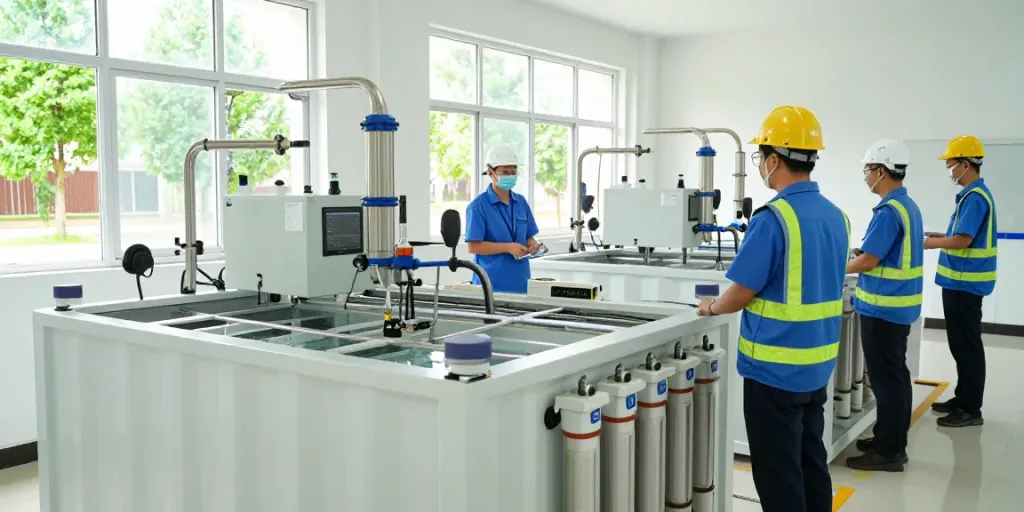
A water treatment system manufacturer designs and produces systems that purify and manage water for various applications. These systems can range from simple home filtration units to complex industrial setups that treat large volumes of wastewater. By leveraging advanced technologies such as filtration, chemical treatment, and biological processes, manufacturers create solutions tailored to specific water quality challenges faced by their clients, including industrial sectors, municipal facilities, and emergency response organizations.
Key Features of Innovative Water Treatment Systems
Modern water treatment solutions incorporate several key features aimed at maximizing efficiency and effectiveness:
- Modularity: Containerized systems allow for flexible deployment and scalability, adapting to different operational requirements.
- Automation: Advanced monitoring and control systems facilitate real-time management of water treatment processes, ensuring optimal performance.
- Sustainability: Eco-friendly technologies minimize the environmental impact by reducing waste and energy consumption.
- Customizability: Systems can be tailored to fit the unique needs of various industries, from high-difficulty wastewater treatment to rural water supply.
The Importance of Containerized Solutions
Containerized water treatment systems offer several advantages that are increasingly recognized in the industry:
- Rapid Deployment: Pre-packaged systems can be deployed quickly, making them ideal for disaster relief or temporary setups.
- Transportability: Mobile units can be easily relocated to different sites as water needs change.
- Reduced Footprint: Container-based solutions occupy less space, making them suitable for urban areas where space is limited.
Core Applications of Water Treatment Technologies
Water treatment technologies are utilized across various core applications to address specific needs:
Drinking Water Treatment and Purification
Ensuring a safe and reliable drinking water supply is one of the foremost challenges for municipalities and industries alike. Innovative treatment techniques such as reverse osmosis, UV disinfection, and advanced filtration systems work together to remove contaminants, pathogens, and undesirable chemicals, leading to purified water that meets health standards.
Industrial Wastewater Management Techniques
Industries generate vast amounts of wastewater with unique contaminants. Effective wastewater management is crucial for environmental protection and regulatory compliance. Techniques such as membrane bioreactors, electrocoagulation, and advanced oxidation processes have been developed to treat industrial effluents effectively, allowing for water reclamation and recycling.
Municipal Sewage Treatment Strategies
Municipal sewage treatment is essential for public health and environmental sustainability. Systems must be capable of handling variable loads and removing solids, nutrients, and pathogens. Technologies such as activated sludge systems, trickling filters, and constructed wetlands have been widely implemented, showcasing various strategies for effective sewage treatment.
Choosing the Right Water Treatment System for Your Needs
Selecting the appropriate water treatment system involves a detailed assessment of specific needs and challenges:
Assessing Industry-Specific Water Challenges
Understanding the nuances of your industry is critical. For instance, industries dealing with hazardous materials may require advanced treatment methods capable of handling complex wastewater streams. Conducting a thorough assessment of water sources, contaminants, and regulatory requirements can help identify the most suitable systems.
Comparing Residential and Commercial Systems
When choosing between residential and commercial water treatment systems, it is essential to consider factors like capacity, flow rates, and the specific contaminants present. Homeowners might opt for affordable filtration solutions, while businesses may need comprehensive systems capable of handling larger volumes and more complex treatment challenges.
Identifying Cost-Effective Solutions
Budget constraints are a reality for many organizations. Evaluating the total cost of ownership, including installation, maintenance, and energy consumption, is crucial for making informed decisions. Exploring options such as modular and scalable systems can lead to more cost-effective solutions that align with financial and operational expectations.
Best Practices in Water Treatment System Implementation
Successful implementation of water treatment systems requires adherence to best practices to ensure longevity and efficiency:
Design and Customization of Water Treatment Solutions
Every water treatment challenge is unique, necessitating a customized approach. Engaging with manufacturers to design a system that meets specific operational requirements, regulatory standards, and environmental considerations is fundamental. Custom solutions can significantly enhance efficiency and compliance.
Maintenance and Operation Guidelines
Regular maintenance of water treatment systems is vital for optimal operation. Establishing a maintenance schedule, conducting routine inspections, and training staff in operational procedures can prevent system failures and ensure longevity. Manufacturers often provide guidelines to help operators maintain their systems effectively.
Training for Effective System Management
Proper training is essential for staff responsible for operating and maintaining water treatment systems. Training should cover operational procedures, troubleshooting, and emergency response protocols to prepare staff adequately for any issues that may arise during day-to-day operations.
Future Trends in Water Treatment Systems for 2026
As we look toward the future, several trends are emerging in the field of water treatment systems that could reshape the industry:
Emerging Technologies in Water Treatment
Innovations such as nanotechnology, machine learning, and AI are making waves in the water treatment sector. These technologies enable more precise monitoring and control of treatment processes, enhancing efficiency and reducing the need for manual interventions.
Sustainability and Environmental Considerations
With growing emphasis on sustainability, manufacturers are increasingly focusing on developing environmentally friendly systems. Solutions that minimize chemical usage, reduce energy consumption, and promote water reuse and recycling are becoming prevalent.
Global Regulatory Changes Affecting Manufacturers
As governments implement stricter regulations regarding water quality and environmental protection, manufacturers must adapt to comply with these changes. Staying informed about potential regulatory requirements will be crucial for manufacturers and their clients to avoid penalties and ensure compliance.