Understanding the MV88 Microphone
The Shure MV88, a remarkable digital stereo condenser microphone, has garnered significant attention in the audio recording community for its versatility and superior sound quality. Designed primarily for iOS devices, the MV88 stands out not only for its compact design but also for its ability to deliver professional-grade audio in a myriad of settings—from home studios to field recordings. In this article, we will delve into the unique characteristics of the MV88, its technical specifications, and how it compares to other microphones on the market, aiming to provide a comprehensive overview for both aspiring and seasoned audio professionals. When exploring options, mv88 provides comprehensive insights into its capabilities.
What Makes the MV88 Unique?
The Shure MV88’s unique selling proposition lies in its direct connection to iOS devices via the Lightning connector, enabling quick setup and real-time audio monitoring. This capability eliminates the latency often associated with wireless microphones. Its compact form factor and robust build quality make it ideal for mobile use, whether you're filming a vlog, recording an interview, or capturing live music performances. The MV88 features an adjustable stereo width, allowing users to tailor the microphone’s pickup pattern to their specific recording environment, enhancing audio fidelity.
Technical Specifications and Features
- Microphone Type: Digital stereo condenser microphone
- Frequency Response: 20 Hz to 20 kHz
- Pickup Patterns: Adjustable stereo width (mid-side configuration)
- Bit Depth: 24-bit
- Sample Rates: Up to 48 kHz
- Connectivity: Lightning connector for iOS devices
These specifications highlight the MV88's capability for high-definition audio capture, making it a preferred choice among professionals and enthusiasts alike. Its app, ShurePlus MOTIV, enhances the user experience by allowing precise control over gain, stereo width, and equalization settings.
How the MV88 Compares to Other Microphones
When comparing the MV88 to its competitors, such as the Rode VideoMic Me and the Audio-Technica ATR3350, several factors come into play. Unlike many microphones that rely on batteries or external power sources, the MV88 is powered through the iOS device, adding convenience for users on the go. While the Rode VideoMic Me offers excellent directional audio capture, it lacks the versatility of adjustable pickup patterns found in the MV88. Conversely, the ATP3350 requires external power, limiting its usability in mobile scenarios.
Choosing the Right Recording Environment
To fully leverage the capabilities of the MV88, choosing the right recording environment is crucial. The microphone's performance can be significantly affected by surrounding acoustics, so understanding the best settings is imperative for achieving professional audio quality.
Optimal Settings for MV88 Usage
For the best results with the MV88, consider these optimal settings based on your recording environment:
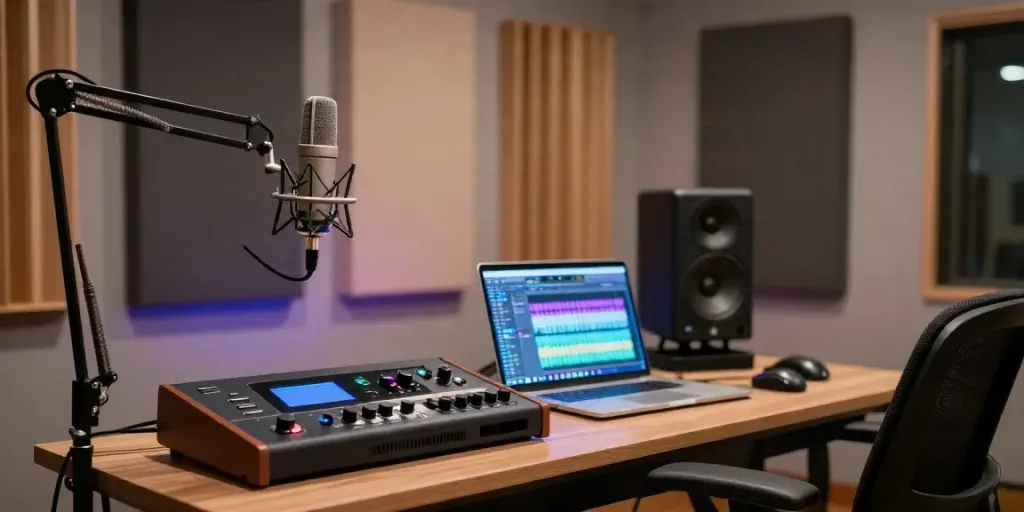
- Indoor Recording: Ensure that the space is quiet, and minimize reflective surfaces to reduce echo. Consider using acoustic panels or blankets to improve sound quality.
- Outdoor Recording: Wind noise can be a significant issue. Use a windscreen designed for the MV88 to minimize disruption and capture cleaner audio.
- Live Music: Position the microphone at a comfortable distance from the source, adjusting the stereo width to capture the best mix of ambient sound and direct audio.
Common Challenges in Home Recording
Many users encounter challenges when recording at home, including background noise, reverberation, and inconsistent audio levels. It is vital to identify these issues early on and implement strategies to mitigate them. Using soundproofing techniques, such as sealing gaps around doors and windows, can dramatically enhance recording quality.
Best Practices for Acoustic Treatment
Effective acoustic treatment can dramatically improve the quality of recordings made with the MV88. Here are some best practices:
- Create Absorption Zones: Use items like carpets, curtains, and home-made acoustic panels to absorb excess sound reflections.
- Control Room Resonance: Avoid placing the microphone too close to walls, which can cause unwanted bass buildup.
- Optimize Speaker Placement: Position monitors and speakers in an equilateral triangle with the recording location to ensure balanced sound.
Recording with the MV88 Microphone
Once the environment is prepared, setting up the MV88 for recording is straightforward. This section outlines the steps to position the microphone effectively and techniques to achieve the desired sound quality.
Step-by-Step Setup Guide
- Connect the Microphone: Plug the MV88 into your iOS device’s Lightning port. Ensure the connection is secure.
- Install the ShurePlus MOTIV App: Download the app from the App Store for full control over your recording settings.
- Choose Your Settings: Select the appropriate gain levels and stereo width based on your recording scenario.
- Test Your Setup: Conduct a short test recording to check audio levels and clarity before proceeding.
Techniques for Achieving Professional Sound Quality
To elevate recordings to a professional level, consider the following techniques:
- Maintain Proper Distance: Keep the microphone at a reasonable distance (about 6-12 inches) from the sound source to avoid distortion.
- Monitor Levels: Continuously monitor the audio levels during recording to avoid clipping and ensure a clean signal.
- Experiment with Angles: Adjusting the angle of the MV88 can produce different audio characteristics, so experiment to find the optimal position.
Editing Tips for MV88 Recordings
Post-production is where recordings can truly shine. Here are some editing tips:
- Noise Reduction: Use noise reduction tools to eliminate any unwanted background noises that may distract from the primary audio.
- Equalization: Apply EQ to enhance frequencies that enhance vocal clarity and reduce muddiness.
- Compression: Use compression to even out volume levels, ensuring that softer sounds are audible without amplifying louder moments excessively.
Real-World Applications of the MV88
The MV88 microphone is not just for professional studios; it also shines in various practical applications. Let's explore some case studies showcasing its effectiveness in diverse settings.
Case Studies: Successful Projects Using the MV88
Numerous audio professionals have successfully integrated the MV88 into their workflows. For instance, a documentary filmmaker used the MV88 to capture high-quality interviews in challenging outdoor conditions, highlighting its reliability and sound quality. Similarly, musicians have praised the MV88 for its ability to create crisp, clear recordings of live performances, even in less-than-ideal environments.
Interviews and Testimonials from Users
Feedback from users consistently underscores the MV88's portability, ease of use, and sound quality. One audio engineer remarked, "The MV88 has become my go-to microphone for field recordings. It captures depth and detail that exceeds my expectations for such a compact device." Testimonials like these reflect the microphone's reputation as a reliable tool for various recording needs.
Creative Uses Beyond Traditional Recording
In addition to its standard applications, the MV88 has found a niche in creative endeavors. Content creators utilize it for voiceover work, podcasting, and even ASMR recordings, leveraging its sensitivity and clarity to produce immersive audio experiences. Its versatility ensures that it remains relevant in an ever-evolving audio landscape.
Future Trends in Mobile Audio Recording
The landscape of audio recording is constantly evolving, and the MV88 is at the forefront of these changes. This section explores emerging technologies and the future of mobile audio production.
Emerging Technologies and Innovations in Microphones
With advancements in digital signal processing, we anticipate microphones like the MV88 to incorporate features such as built-in artificial intelligence for sound optimization and automatic noise cancellation. These innovations will enhance the user experience and the overall quality of mobile recordings.
The Role of Mobile Devices in Audio Production
As mobile devices continue to improve in processing power and audio capabilities, they are becoming increasingly integral to audio production. The MV88, designed explicitly for iOS devices, is perfectly positioned to harness these advancements, making high-quality audio accessible to a broader audience.
Predictions for the Audio Recording Industry in 2026
Looking towards the future, we predict that audio recording will become even more integrated into everyday life. As technology continues to democratize access to high-quality tools, the MV88 will remain a key player in enabling creativity across genres and platforms, from content creation to professional studio work.
Is the MV88 Worth the Investment?
For those serious about audio recording, investing in the MV88 is a sound decision. Its high-quality sound, ease of use, and robust design make it a valuable asset for both hobbyists and professionals.
What Are the Best Accessories for the MV88?
To enhance the MV88 experience, consider accessories like a portable windscreen for outdoor recording, a sturdy tripod for stability, and an external preamp for improved sound quality.
How to Maintain Your MV88 Microphone?
Regular maintenance of the MV88 ensures longevity and optimal performance. Keep the microphone clean, store it in a protective case, and periodically check the connections for wear or damage.
Can You Use MV88 with Other Devices?
While primarily designed for iOS devices, users can also utilize the MV88 with options like USB adapters for enhanced compatibility with other systems, allowing for versatility in different recording scenarios.
What Users Wish They Knew Before Buying the MV88?
Many users suggest that understanding the microphone's limitations in very noisy environments is essential. For more information, mv88 bet offers valuable insights. Knowing how to optimize recording settings can significantly impact audio quality.