1. Understanding Vegan Astaxanthin
Astaxanthin is a powerful antioxidant that has garnered attention in recent years, particularly in health and wellness circles. Unlike many other forms of astaxanthin, which are derived from marine sources, vegan astaxanthin is sourced from microalgae, making it suitable for those following a plant-based lifestyle. This unique aspect not only makes it a popular choice among vegans but also opens doors to its health benefits without the ethical concerns associated with animal-derived products.
What is Vegan Astaxanthin?
Vegan astaxanthin is a carotenoid that gives certain algae, salmon, and crustaceans their reddish hue. It is renowned for its antioxidant properties, which are said to be up to 6000 times more potent than vitamin C. As a result, it helps combat oxidative stress in the body, promoting overall health and wellness.
Sources of Vegan Astaxanthin
Primarily, vegan astaxanthin is obtained from the microalgae Haematococcus pluvialis. This species is cultivated under specific conditions that encourage astaxanthin production, particularly in response to stress factors such as high light exposure and nutrient deprivation. Other plant-based sources include certain types of yeast and green algae, which may contribute to forming this potent antioxidant.
Health Benefits of Astaxanthin
The health benefits of vegan astaxanthin are extensive, including:
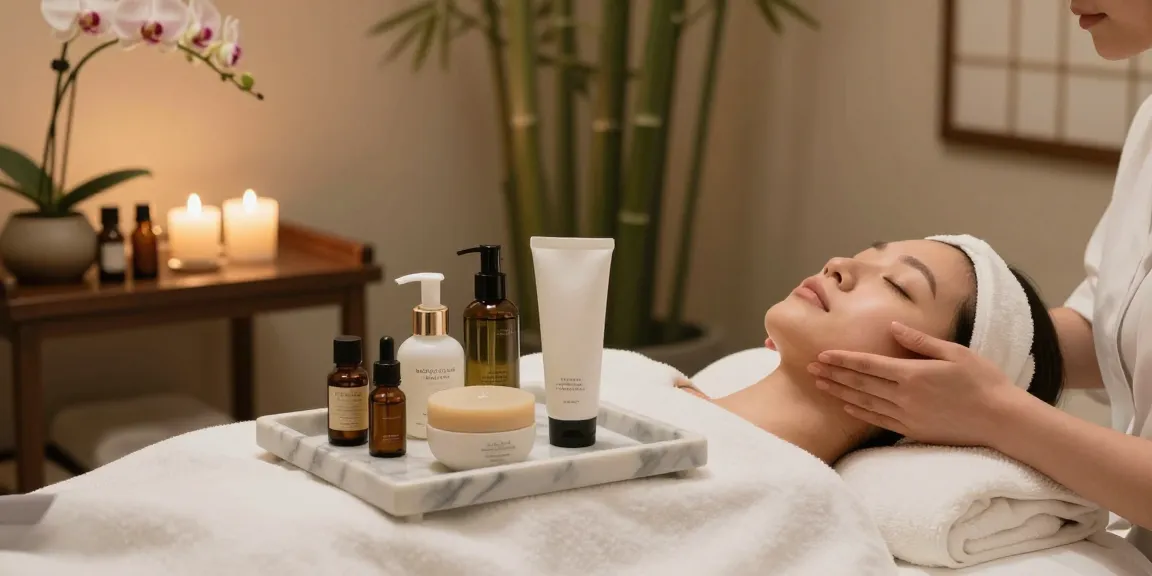
- Improved Skin Health: It helps reduce the appearance of wrinkles and skin damage.
- Enhanced Eye Health: Astaxanthin protects the eyes from oxidative stress and may reduce the risk of macular degeneration.
- Support for Joint Health: It can alleviate inflammation and discomfort associated with joint pain.
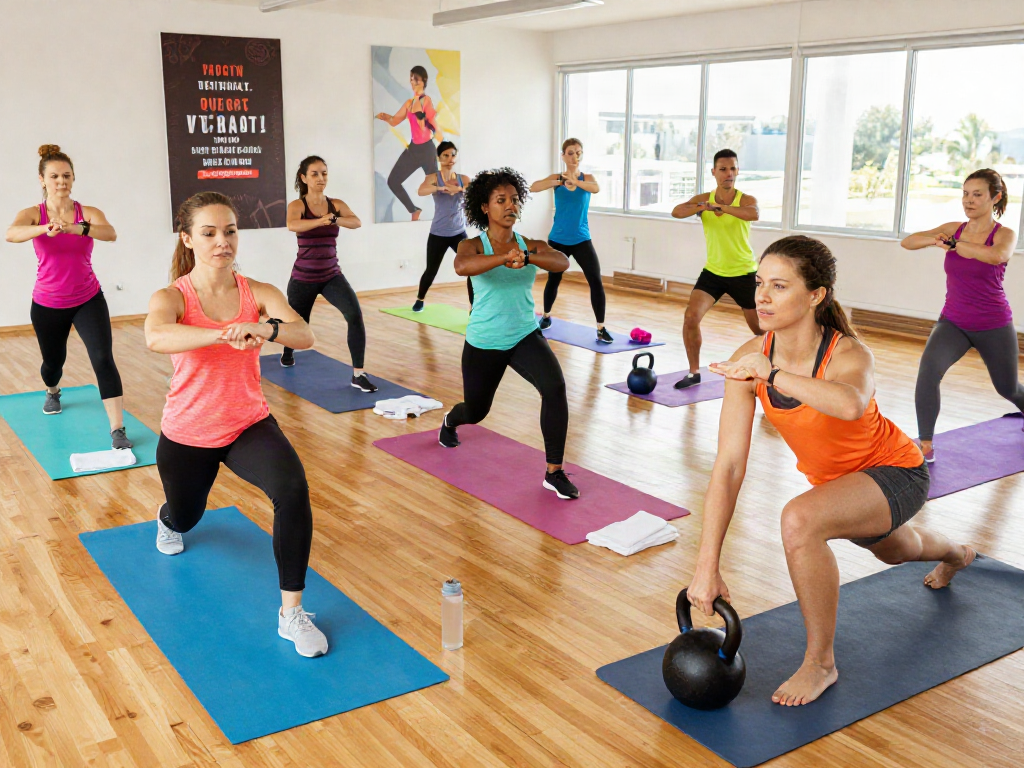
- Boost in Athletic Performance: Athletes often use astaxanthin to improve endurance and recovery.
2. The Science Behind Astaxanthin
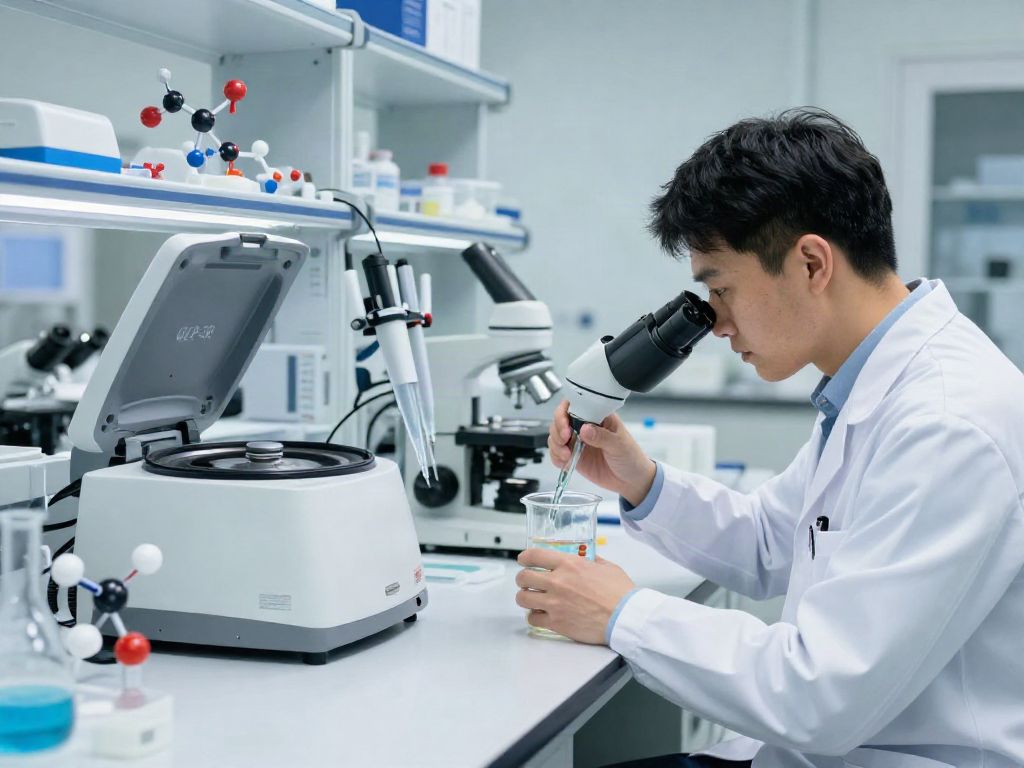
Understanding the scientific mechanisms of astaxanthin can illuminate its significance in health and nutrition. This potent antioxidant operates at the cellular level, scavenging free radicals and reducing inflammation, which are crucial for maintaining overall health.
How Astaxanthin Works in the Body
Once consumed, astaxanthin is absorbed in the intestines and transported throughout the body via lipoproteins. Its unique molecular structure allows it to efficiently neutralize free radicals while protecting cell membranes from oxidation. This process not only helps in reducing cellular damage but also plays a key role in enhancing cellular resilience under stress.
Comparative Analysis: Vegan vs. Non-Vegan Astaxanthin
While both vegan and non-vegan sources of astaxanthin offer significant health benefits, they differ in sourcing and sustainability. Vegan astaxanthin from microalgae is considered more environmentally sustainable compared to non-vegan sources, which often impact marine ecosystems. Moreover, vegan alternatives provide a cruelty-free option that is increasingly appealing to health-conscious consumers.
Latest Research Findings (2026)
Recent studies in 2026 have demonstrated that astaxanthin not only supports skin health and reduces inflammation but may also enhance cognitive function and cardiovascular health. Ongoing research is exploring its potential role in age-related diseases, further solidifying its status as a super antioxidant.
3. Incorporating Vegan Astaxanthin into Your Diet
Adding vegan astaxanthin to your diet can be both easy and enjoyable. Here are some ideas on how to incorporate this powerful antioxidant into your daily meals.
Recipes with Vegan Astaxanthin
- Smoothies: Blend spinach, banana, a scoop of vegan astaxanthin powder, and almond milk for a nutrient-rich breakfast.
- Salad Dressings: Include astaxanthin in homemade vinaigrettes to boost flavor and health benefits.
- Energy Bites: Prepare no-bake energy balls with oats, nut butter, vegan astaxanthin, and dark chocolate chips.
Dosage Recommendations
The recommended daily intake of astaxanthin varies but generally falls between 4 to 12 mg for adult populations. For those seeking specific health benefits, consulting a healthcare professional is advisable to determine the right dosage tailored to individual needs.
Best Practices for Consumption
To maximize the benefits of astaxanthin, consider taking it with meals that contain healthy fats, as this enhances absorption. Furthermore, maintaining a balanced diet rich in various antioxidants can synergistically support overall health.
4. Common Misconceptions About Vegan Astaxanthin
Despite its many benefits, misconceptions about vegan astaxanthin often lead to confusion among consumers. Understanding the truths behind these myths can empower individuals to make informed health choices.
Myths vs. Facts
- Myth: Vegan astaxanthin is less effective than non-vegan sources.
- Fact: Both sources provide similar health benefits; however, vegan astaxanthin is more sustainable.
- Myth: Astaxanthin is only for athletes.
- Fact: Its antioxidant properties benefit everyone, regardless of fitness level.
Addressing Allergies and Side Effects
While astaxanthin is generally safe for most individuals, it can cause mild side effects in some, including stomach upset or changes in skin color at high doses. Those with specific allergies, particularly to algae or seafood, should consult a healthcare provider before incorporating astaxanthin into their diet.
How to Choose Quality Supplements
When selecting vegan astaxanthin supplements, look for products that are sustainably sourced, third-party tested, and free from fillers. Transparency in labeling and certifications can indicate quality and reliability in the product you choose.
5. Future Trends in Plant-Based Health Supplements
The health supplement market is rapidly evolving, with a significant shift towards plant-based products that meet the growing consumer demand for sustainability and ethical sourcing.
Market Growth and Demand for Vegan Products
The plant-based supplement market is expected to grow exponentially in the coming years, driven by rising health consciousness and environmental concerns. Vegan astaxanthin stands at the forefront of this trend, appealing to a wider audience beyond traditional health enthusiasts.
Emerging Trends in Nutritional Science (2026)
Research breakthroughs are paving the way for innovative plant-based supplements, focusing on bioavailability and efficacy. Future studies may unlock new applications for astaxanthin, revealing its potential in chronic disease prevention.
Expert Insights on Sustainable Health Solutions
Health and nutrition experts advocate for sustainable practices in supplement production, emphasizing the importance of minimizing environmental impact while maximizing health benefits. As the demand for vegan products grows, so does the need for ethical sourcing and sustainable practices in the marketplace.
What are the primary benefits of vegan astaxanthin?
Vegan astaxanthin offers multiple health benefits, including enhanced skin health, improved eye function, reduced inflammation, and better athletic performance. Its antioxidant properties contribute to overall wellness, making it a valuable addition to a balanced diet.
Can vegan astaxanthin be used in cooking?
Yes, vegan astaxanthin can be incorporated into cooking and baking, particularly in smoothies, salad dressings, and energy snacks. However, it’s best to avoid high heat, which may degrade its potency.
Are there any side effects associated with astaxanthin?
While astaxanthin is generally safe, some individuals may experience mild side effects such as stomach discomfort or discoloration of the skin at high doses. It’s advisable to consult a healthcare professional before starting supplementation.
How is vegan astaxanthin sourced?
Vegan astaxanthin is primarily sourced from the microalga Haematococcus pluvialis, cultivated under controlled conditions that promote astaxanthin production without harming marine ecosystems.
What’s the recommended daily intake of astaxanthin?
The daily intake of astaxanthin varies, but a general recommendation is between 4 to 12 mg. Individual requirements may differ, so consulting a healthcare provider is important for personalized guidance.