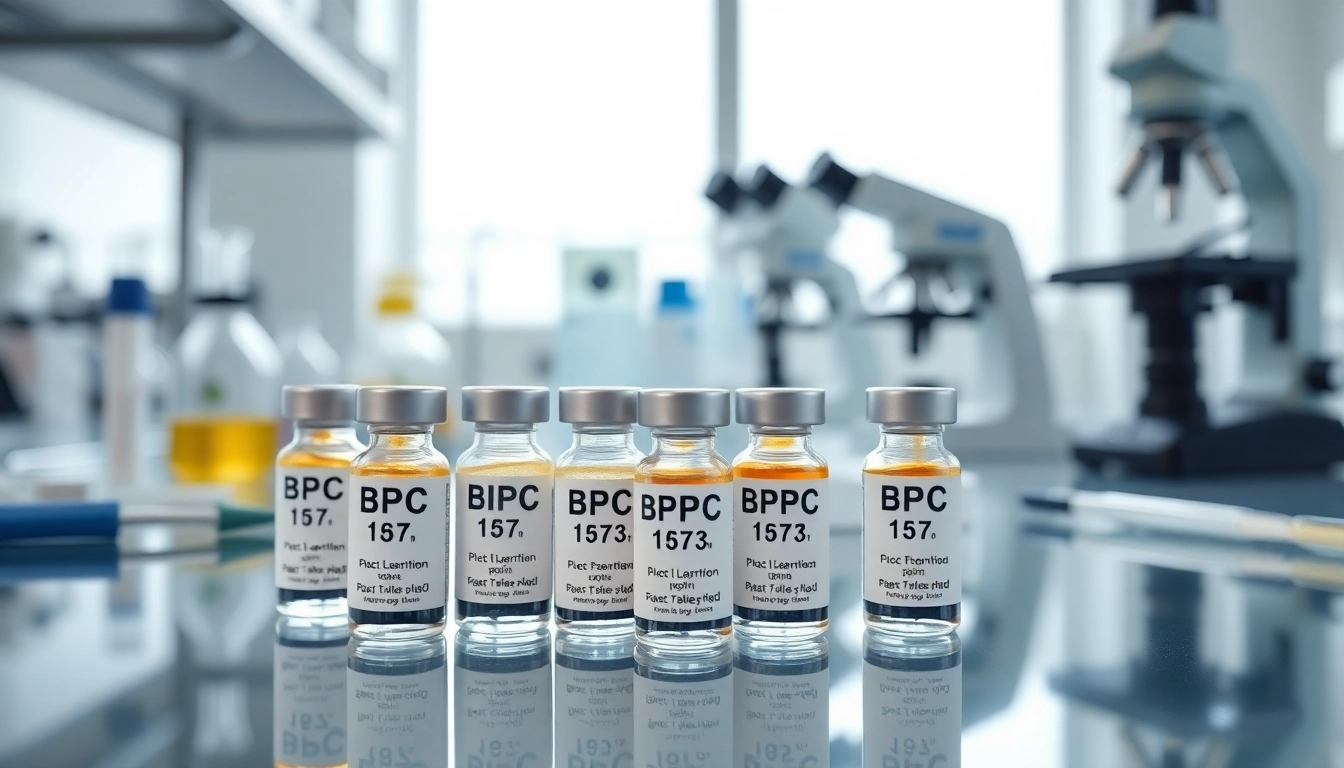
What Are Research Peptides?
Definition and Types of Peptides
Research peptides are short chains of amino acids that can elicit a wide range of biological responses in the body. They are synthetically produced and have gained significant attention in the scientific community, especially in the fields of medicine and fitness. Peptides differ in size and complexity, generally categorized into three types: oligopeptides (2-20 amino acids), polypeptides (21-50 amino acids), and proteins (50+ amino acids). Their unique sequences of amino acids responsible for their specific biological function make them distinct.
How Peptides Work in the Body
Peptides function as signaling molecules in the body, directing cellular processes and influencing numerous physiological activities. When introduced into the body, they can interact with receptors and trigger specific cellular responses ranging from hormone secretion to tissue repair. The mechanism generally involves binding to target cells, initiating a cascade of biochemical reactions that lead to desired biological outcomes. This intricate process allows peptides to play critical roles in metabolic functions, growth, and healing.
Applications in Research
The diverse functionality of peptides has made them attractive for various research applications. Using growth hormone releasing peptides as an example, these substances have shown promise in enhancing athletic performance, improving recovery times, and even supporting weight loss. Furthermore, therapeutic peptides are being explored for their potential in treating chronic diseases, reducing inflammation, and enhancing wound healing. The research landscape continues to expand, revealing new possibilities for the application of peptides in clinical and wellness settings.
Benefits of BPC-157
Healing Properties and Mechanism
BPC-157, or Body Protection Compound 157, is a specific peptide that has garnered significant attention due to its impressive healing properties. Primarily known for its protective effects on cells, BPC-157 plays a crucial role in promoting the regeneration of tissues and protecting against cellular damage. Its mechanism involves promoting angiogenesis—the formation of new blood vessels—which is vital for nutrient supply and recovery, ultimately leading to accelerated healing processes.
Uses in Tissue Repair
This peptide has shown remarkable effectiveness in repairing tissues, particularly in the recovery of muscles, tendons, and ligaments. Studies have demonstrated that BPC-157 can enhance collagen synthesis, crucial for tissue integrity. Athletes and individuals engaged in physically demanding activities often turn to BPC-157 for its potential to minimize recovery time from injuries, allowing for a swift return to their regular training routines.
Potential for Injury Recovery
Injuries, whether acute or chronic, can hinder physical performance and overall quality of life. BPC-157 stands out for its potential to expedite recovery from various injuries, including sports-related injuries and surgical trauma. Its ability to reduce inflammation and promote the healing of damaged tissues positions it as a powerful ally in any recovery program. With its encouraging effects reported in clinical studies, BPC-157 is increasingly viewed as a viable option for enhancing recovery outcomes.
How to Properly Use Research Peptides
Dosage Guidelines
Understanding the appropriate dosage is imperative for maximizing the benefits of research peptides while minimizing potential side effects. While specific dosages can vary depending on the type of peptide and individual needs, general guidelines indicate a range of 200-600 mcg per day for BPC-157. It is advisable to start with a lower dosage and gradually increase, monitoring for any adverse reactions. Consulting a healthcare professional familiar with peptide therapies can aid in determining an optimal dosage tailored to individual requirements.
Ways to Administer Peptides
Peptides can be administered through various methods, with the most common being subcutaneous or intramuscular injections. Subcutaneous injections involve injecting the peptide into the fatty tissue, while intramuscular injections deliver it directly into muscle tissue. Both methods have their advantages; subcutaneous injections tend to be less painful, while intramuscular injections can facilitate faster absorption. The choice of administration route may depend on specific peptides, the intended effects, and personal comfort levels.
Best Practices for Storage
Proper storage of peptides is critical to maintaining their efficacy. Research peptides should typically be stored in a cool, dry place, away from direct sunlight and moisture. For longer-term storage, refrigeration at 4°C is usually recommended. Additionally, peptides should be kept in their original vial and protected from frequent temperature fluctuations. Adhering to these storage best practices will help preserve their integrity and potency over time.
Where to Buy Quality BPC-157
Identifying Reliable Suppliers
When searching for BPC-157, it's essential to identify reputable suppliers that adhere to best practices for sourcing and manufacturing. Look for suppliers who provide clear information about their product quality, such as third-party testing and certification analyses. A reliable supplier will openly share their sourcing details and be able to demonstrate high standards of manufacturing and quality control processes.
Understanding Product Labels
Understanding how to read product labels is critical in selecting quality BPC-157. Key components to look for include purity percentage, concentration, expiration date, and lot number. High-quality products will often feature a purity of 98% or above. Additionally, ensure that the label provides clear storage instructions and handling recommendations to maintain product quality during use.
Assessing Customer Reviews
Customer reviews provide valuable insight into the effectiveness and reliability of a supplier’s products. Thoroughly assessing feedback can help identify common themes regarding product quality, customer service, and overall satisfaction. Look for detailed reviews that give context to the purchase experience and results, allowing potential buyers to make informed decisions about where to obtain BPC-157.
Safety Considerations and Regulations
Possible Side Effects
While BPC-157 is generally regarded as safe, awareness of potential side effects is crucial. Reported side effects are typically mild and can include injection site reactions, headaches, or gastrointestinal disturbances. However, individual responses may vary, and any concerning symptoms should prompt immediate consultation with a healthcare provider. Understanding personal tolerance and monitoring one’s body are essential for safe usage.
Legal Status of BPC-157
The legal status of BPC-157 varies by jurisdiction, which can affect its availability for research and personal use. In many regions, peptides like BPC-157 remain unregulated substances, and thus they are often classified for research purposes only. It's essential to familiarize oneself with local laws and regulations governing the purchase and usage of BPC-157 to avoid inadvertent legal complications.
Responsible Use in Research
Using peptides responsibly is paramount to benefit from their properties while ensuring safety. Responsible use entails adhering strictly to dosage guidelines, monitoring for adverse reactions, and maintaining a transparent record of usage. Engaging in continual research and staying informed about advancements in peptide studies can foster responsible practices. Additionally, peer collaboration and discussions can lead to more effective and safer applications of BPC-157 in both personal and research settings.
Frequently Asked Questions
What is BPC-157 used for?
BPC-157 is primarily used for its healing properties, aiding in tissue repair, recovery from injuries, and potentially enhancing recovery in athletic contexts.
How do I take BPC-157?
BPC-157 is typically administered via subcutaneous or intramuscular injection. Dosage may vary, so consult a healthcare provider for personalized guidance.
Are there any side effects of BPC-157?
Potential side effects are generally mild and can include injection site reactions, headaches, or gastrointestinal issues. Monitoring your body and reporting any adverse reactions is advised.
Is BPC-157 legal?
The legal status of BPC-157 varies by country and region. Many places classify it as unregulated, primarily for research purposes, so it's essential to check local laws.
Where can I buy BPC-157?
To find BPC-157 products, look for reputable suppliers known for high-quality peptides. Ensure they provide third-party testing and transparent quality control information, such as bpc-157 where to buy.