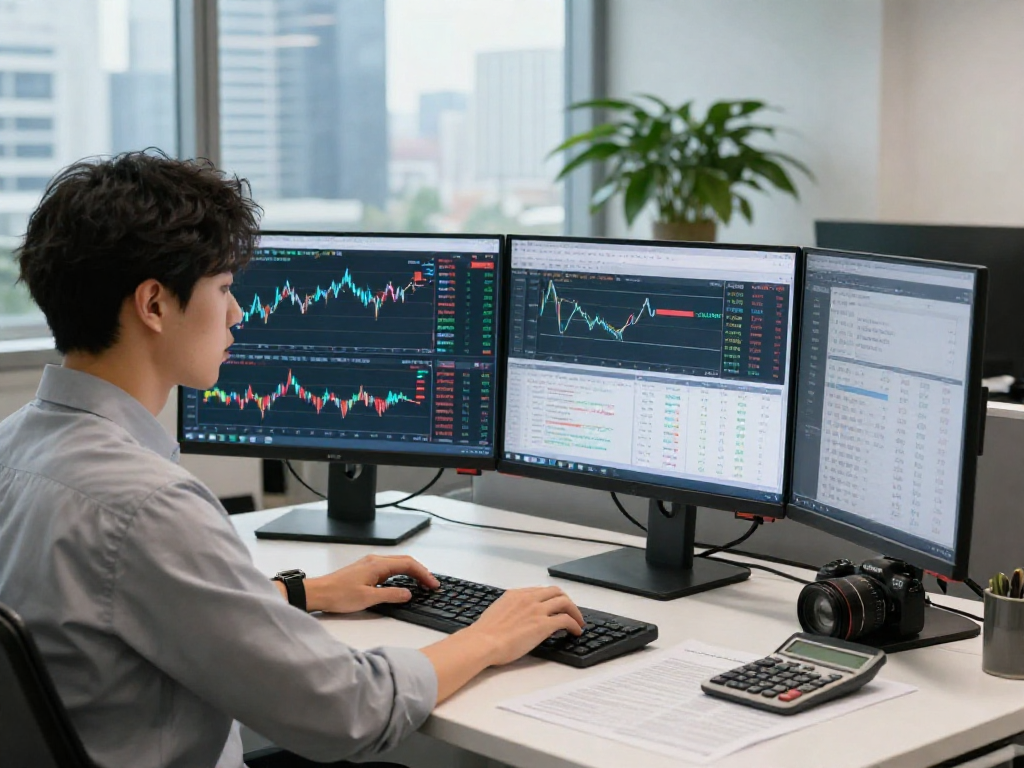
Understanding the KOSPI Index
The KOSPI, officially known as the Korea Composite Stock Price Index, is a pivotal indicator of the South Korean stock market, reflecting the performance of all common stocks listed on the Korea Exchange (KRX). First established in 1983, the KOSPI has evolved into a critical barometer for investors seeking insight into the economic climate of South Korea. When exploring options, kospi provides comprehensive insights into market fluctuations and trends that can influence investment strategies.
What is the KOSPI?
The KOSPI serves as a comprehensive gauge of the South Korean stock market, incorporating all companies listed on the KRX. The index is market-capitalization weighted, meaning that companies with larger market sizes have a greater impact on the index's movements. This structure allows the KOSPI to reflect the overall health of the South Korean economy, making it a crucial tool for local and international investors alike.
History and Evolution of the KOSPI
Since its inception, the KOSPI has undergone significant changes. Initially launched with a base value of 100, the index has seen substantial growth, particularly in the 1990s and 2000s, driven by the rapid development of South Korea's technology and manufacturing sectors. The KOSPI index also faced challenges during the Asian financial crisis in 1997 and the global financial crisis in 2008, yet it has consistently rebounded, demonstrating resilience and adaptability.
Importance of the KOSPI in Global Markets
The KOSPI is not just a domestic indicator; it plays a significant role in global markets. As South Korea is home to major multinational corporations, fluctuations in the KOSPI can influence investor sentiment worldwide. For instance, changes in the performance of South Korean tech giants, such as Samsung and LG, often correlate with movements in global technology stocks, making the KOSPI an essential component of international investment strategies.
KOSPI Index Composition and Companies
Major Companies Listed on KOSPI
Several prominent companies contribute significantly to the KOSPI's performance. Key players include:
- Samsung Electronics: A global leader in technology and electronics, influencing various sectors.
- Hyundai Motor: One of the largest automotive manufacturers, vital for the manufacturing sector.
- SK Hynix: A top semiconductor producer, closely tied to KOSPI performance due to its market dominance.
- POSCO: A major steelmaker impacting the materials sector.
Sector Breakdown of KOSPI Components
The KOSPI index comprises various sectors, including technology, finance, healthcare, consumer goods, and energy. The tech sector, primarily driven by electronics and semiconductors, constitutes the largest percentage of the index, often leading to high volatility. Understanding sector contributions can help investors identify trends and opportunities within the KOSPI.
Influence of Large Cap Stocks on KOSPI Performance
Large-cap stocks significantly impact the KOSPI's movements. These companies dominate the index, making their performance critical for overall index fluctuations. For instance, a drop in Samsung Electronics' stock price can lead to a notable decline in the KOSPI, highlighting the interdependence between major corporations and the index's performance.
The KOSPI and Economic Indicators
How Economic Trends Affect the KOSPI
The KOSPI is closely linked to South Korea's macroeconomic indicators, such as GDP growth, inflation rates, and employment figures. Positive economic trends typically drive up the index, as investor confidence strengthens. Conversely, economic downturns can lead to declines, as seen during global recessions when investor sentiment is low.
Correlation Between KOSPI and Semiconductor Cycles
One of the unique characteristics of the KOSPI is its sensitivity to semiconductor cycles. Given that a substantial portion of South Korea's export economy relies on semiconductor manufacturing, fluctuations in global demand for chips directly affect the KOSPI. Investors often monitor these cycles to predict potential upward or downward trends in the index.
Impact of Global Events on the KOSPI Index
Global events, such as geopolitical tensions, trade agreements, and economic sanctions, can profoundly influence the KOSPI. For example, trade relations between Korea and other major economies, especially the United States and China, can lead to significant movements in the index. Investors should remain vigilant about global developments to strategically navigate potential market shifts.
Investing in the KOSPI
Strategies for Successful KOSPI Investment
Investing in the KOSPI requires a thorough understanding of market dynamics. Strategies may include
- Value Investing: Identifying undervalued stocks based on sound financial metrics and potential for growth.
- Growth Investing: Focusing on companies expected to grow at an above-average rate compared to their industry.
- Index Funds and ETFs: Investing in KOSPI-focused funds to diversify risk while maintaining exposure to the index's performance.
ETFs and Mutual Funds Focused on KOSPI
Exchange-traded funds (ETFs) and mutual funds that focus on the KOSPI offer investors a convenient way to participate in South Korea's stock market. They provide diversified exposure to the index without the need to purchase individual stocks, making it easier for investors to manage risks and align their portfolios with market trends.
Common Pitfalls When Investing in KOSPI
Investors should be cautious of common pitfalls, such as:
- Ignoring Economic Indicators: Failing to consider macroeconomic conditions can lead to poor investment decisions.
- Overreacting to Market Volatility: Short-term market fluctuations can create panic; a long-term investment perspective is crucial.
- Neglecting Diversification: Concentrating investments in one sector can increase risk; diversifying across sectors is advisable.
Future of the KOSPI Index
Predictions for KOSPI Performance by 2026
Looking ahead to 2026, analysts predict continued growth in the KOSPI as South Korea's economy adapts to global trends in technology and sustainable practices. Innovations in sectors such as renewable energy and digital technology are expected to drive positive market sentiment, potentially positioning the KOSPI for robust long-term performance.
Emerging Trends Impacting KOSPI
Several emerging trends are likely to impact the KOSPI moving forward:
- Green Technology: Growing emphasis on sustainability could lead to growth in environmentally focused companies.
- Digital Transformation: As more companies embrace digital tools, tech stocks may continue to dominate the index.
- Global Supply Chain Changes: Adjustments in supply chains post-pandemic may influence KOSPI sector dynamics, particularly in manufacturing.
Expert Insights on the KOSPI's Long-Term Viability
Experts suggest that the KOSPI's long-term viability remains strong, given its robust fundamentals and strategic position within the Asia-Pacific region. By staying informed about market trends and adapting investment strategies accordingly, investors can capitalize on the opportunities that the KOSPI presents.
What are the main factors influencing KOSPI?
Several key factors influence KOSPI performance, including:
- Global economic health and international trade relations.
- Trends in technology and sector-specific developments.
- Government policies and regulations impacting business operations.
How does KOSPI differ from KOSDAQ?
While both indices track stocks in South Korea, the KOSDAQ focuses primarily on smaller, high-growth companies, particularly in technology. In contrast, the KOSPI encompasses a broader range of firms, including large-cap blue-chip stocks. This distinction makes the KOSPI a more stable investment option compared to the KOSDAQ, which may offer higher growth potential but also comes with elevated risks.
What are the best investment strategies for KOSPI?
The best strategies for investing in the KOSPI include diversification across sectors, focusing on fundamentally strong companies, and staying informed about market trends and economic indicators. For more information, kospi offers valuable insights. Using a balanced approach that combines both short-term and long-term investments can help manage risk while maximizing returns.